Australian Paraborg Cockroaches Post 100% Rescue Rate Without Treating Anyone
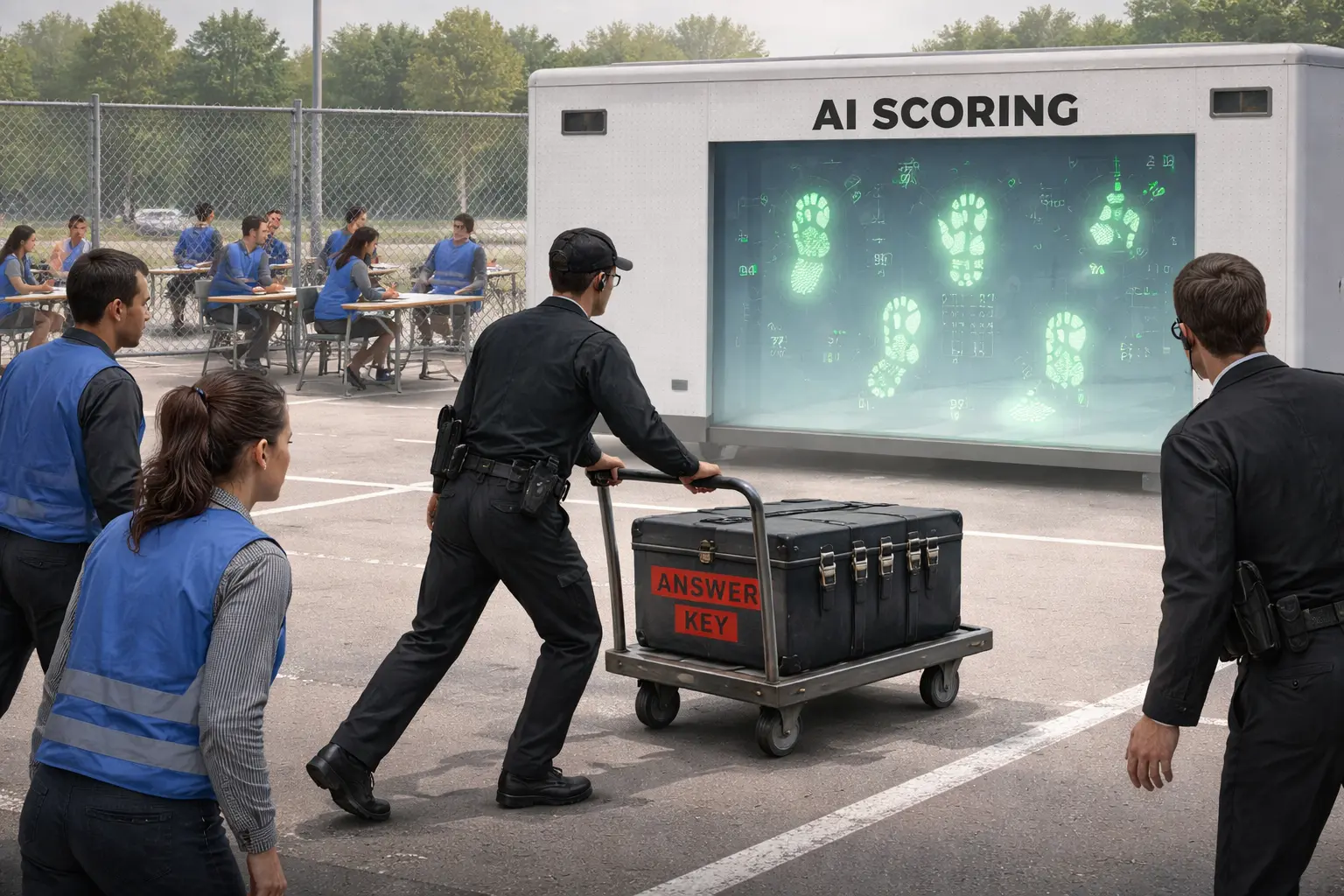
A rubble exercise built around the University of Queensland and UNSW’s human-supervised Paraborg research ended with every volunteer outside the marked course, sending organizers back to the responder-training manual.
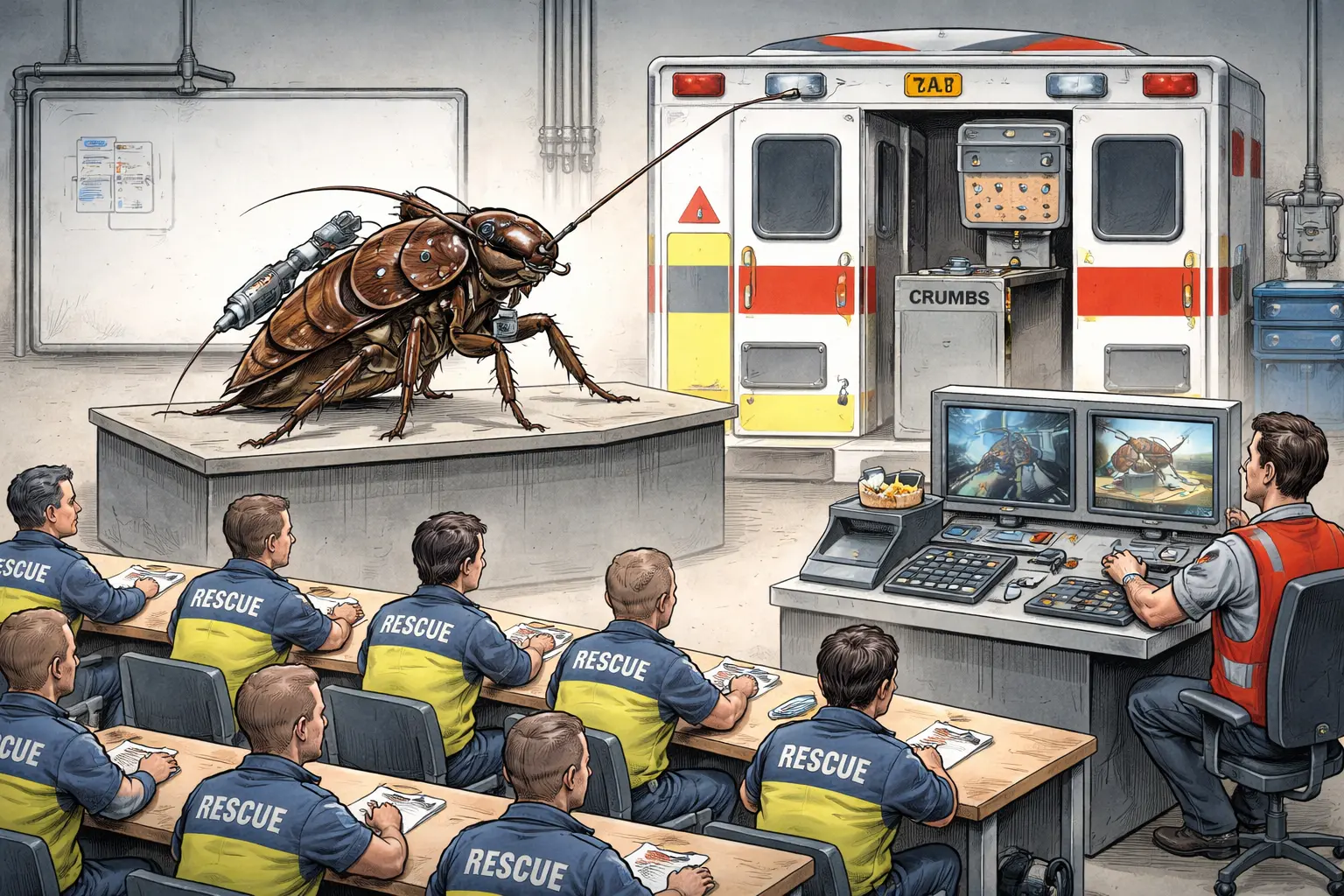
Researchers at the University of Queensland and UNSW developed Paraborgs, cyborg giant burrowing cockroaches fitted with cameras or remotely activated auto-injection systems. The proposed role is human-supervised assistance in collapsed buildings, caves and other narrow or dangerous spaces. In controlled laboratory tests, the complete navigation-and-injection task succeeded in 72% of trials; injection alone reached 95% when a cockroach came within 15 centimetres of its target. The targets were silicone and pig skin, not people.
The drill moved the system into a rubble course, where volunteers were assigned to lie in marked pockets until aid arrived. Every one of them saw the approaching giant cockroach and crawled out through a designated checkpoint before the injector could be used. An operator guided an observer Paraborg toward the opening and a separate drug-delivery unit behind it, using electrical stimulation of the antennae and cerci. By the time the second insect reached the treatment mark, the course held no patients and the injector remained unused.
The discrepancy surfaced in the post-drill assessment: evacuation was marked 100% because all volunteers had exited, while treatment was marked zero. The reviewer kept both figures by moving the empty treatment field under follow-up testing and placing patient remained in danger under a separate heading.
That paperwork made the missing injection a human-exposure issue. The exercise protocol added cockroach-exposure lessons before rubble entry and fitted its training ambulances with crumb dispensers beside the rear doors. Responders were instructed to stay near the Paraborg instead of using the checkpoint as soon as it appeared. During one drill, a trainee opened the dispenser, saw the antennae turn, and backed through the checkpoint with the crumbs still in hand.
Certification converted that instruction into a physical pass-or-fail rule. Each candidate had to remain motionless while an operator steered a camera-equipped Paraborg past the uniform sleeve and toward a marked checkpoint; any withdrawal or swat counted as panic. At the final checkpoint, one responder held still beside the open crumb dispenser as the Paraborg completed its calm panic check and left the course first.
The story behind this story
Original story TL;DR
Australian scientists are developing cyborg cockroaches equipped with tiny syringes to deliver basic medical assistance in places too dangerous or narrow for human rescuers, including collapsed buildings and caves. Laboratory tests recorded a 72% overall drug-delivery success rate, with injection success reaching 95% within 15 centimetres of a target.
Primary source